A community of practice for communications staff in research and development organizations (DevComms CoP) based in Nairobi participated in a ‘Science Communications for Policy Impact’ workshop following a conference, ‘Landscapes for People, Food and Nature’, at ICRAF on 3 July 2014. Continue reading
Category Archives: Kenya
New UK funding for disease surveillance will improve health and farming in Kenya
The University of Liverpool has been given funding to start a surveillance program to reduce the incidence of diseases transmitted between people and livestock in western Kenya. The £3.6 million grant will train veterinary and medical technicians to monitor farms, markets and slaughterhouses. They will use a mobile data collection system to generate a comprehensive database of the prevalence and economic impact of these diseases. The information generated will be used to provide evidence for government health policy in the area. Continue reading
Aflatoxins in Kenya’s food chain: Overview of what researchers are doing to combat the threat to public health
Aflatoxins are toxic chemicals produced as by-products by fungi (moulds) that grow on maize, groundnuts and other food crops. These toxins also affect feedstuffs, which then contaminate milk, meat and eggs. The toxins occur everywhere in the world, but pose particularly high risks in tropical developing countries where certain staple foods, such as maize and sorghum, comprise a large part of the diets of the poor. Continue reading
Africa’s first ‘Islamic-compliant’ livestock insurance pays 100 herders in Kenya’s remote drylands of Wajir for drought-related livestock losses
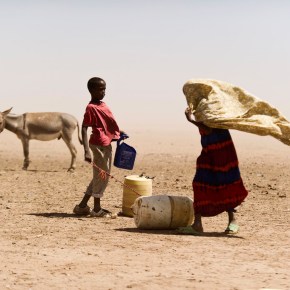
Today, for the first time in Africa, an insurance policy that combines an Islamic-compliant financial instrument with innovative use of satellite imagery is compensating Muslim pastoralists for drought-induced losses suffered in Kenya’s northeastern Wajir County, where livestock are valued at Ksh46 billion (USD550 million). Continue reading
‘Bio-control’=effective control of aflatoxins poisoning Kenya’s staple food crops
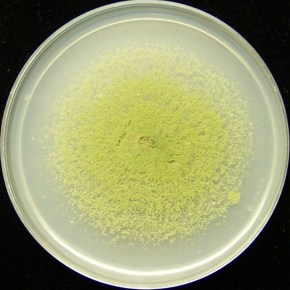
Biocontrol is one way of managing aflatoxins by targeting the fungus that produces aflatoxin while the crop is still in the field. Continue reading
Dairy feed project to reduce aflatoxin contamination in Kenya’s milk
Mycotoxins, such as aflatoxin, are toxins found in food that can cause illness and be lethal in high doses. These toxins are formed by strains of moulds that infest susceptible grains such as maize and sorghum. Dairy cows that eat contaminated feed can yield contaminated milk. Milk is a major food in Kenya. Understanding how, … Continue reading