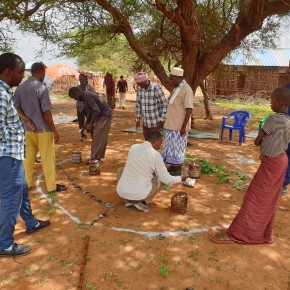
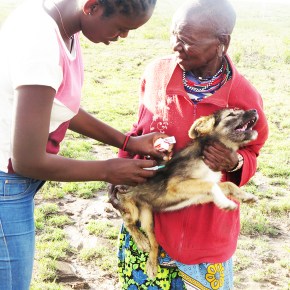
Significant challenges exist in sub-Saharan Africa where vaccination efforts and large-scale campaigns, which focus on rural areas, often have mixed results. In Kenya, the National Rabies Elimination Coordination Committee oversees efforts to eliminate dog-mediated rabies. It is coordinated by the Zoonotic Disease Unit (ZDU) and the ministries of health, and agriculture livestock and fisheries. Continue reading
Category Archives: AHH
Animal and Human Health program
World’s largest public agricultural research network launches COVID-19 Hub to support global scientific response
The CGIAR COVID-19 Hub, coordinated by CGIAR, the world’s largest publicly funded agricultural research network, in collaboration with the London School of Hygiene & Tropical Medicine (LSHTM), will bring together the latest science on agriculture and health to inform a research-based response to the pandemic. The Hub will compile relevant work from across the CGIAR system and partners around the world as well as share future breakthroughs and identify opportunities for new research. Continue reading
Woman veterinarian pioneers public-private partnership to improve veterinary service delivery in Ethiopia
To ensure better and rationalized veterinary service delivery that addresses local needs, the Health of Ethiopian Animals for Rural Development (HEARD) project has established public-private partnership task forces in Ethiopia’s Amhara, Oromia and Somali regions. Continue reading
The German Federal Government supports Kenya’s efforts for COVID-19 testing
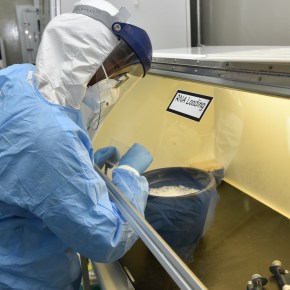
A new partnership involving the Kenya Ministry of Health and ILRI with support from the German Federal Government was announced today. ILRI will utilize its laboratory facilities and staff to support the expansion of Kenya’s testing capacity for COVID-19. The testing was launched today, 18 May 2020, when the health director and German ambassador visited ILRI’s Kenya facilities. Continue reading
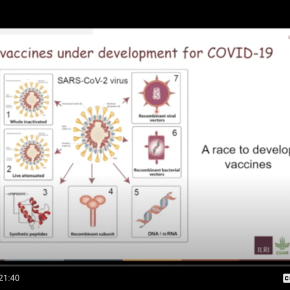
The good and not-so-good news about the state of COVID-19 vaccine development: A primer from ILRI
Jimmy Smith, director general of the International Livestock Research Institute (ILRI), holds a weekly town hall for the 600-plus staff of the institute as well as staff from many of ILRI partners who are hosted on ILRI campuses in Nairobi, Addis Ababa and elsewhere. In the town hall last week, Vish Nene, co-leader of ILRI’s Animal and Human Health program, made a short presentation on the latest developments in COVID-19 vaccine work. Excerpts and slides from his virtual presentation follow. Continue reading
ILRI’s scientists receive the African Academy of Science and Royal Society FLAIR Fellowship
ILRI scientists Lillian Wambua and Abel Gari have received the Future Leaders – African Independent Research (FLAIR) fellowship award. Continue reading
Africa’s growing risk of diseases that spread from animals to people
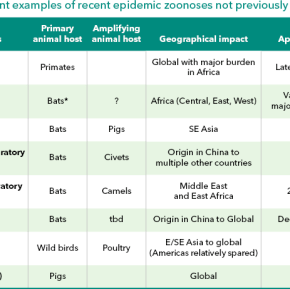
In this post, Bernard Bett, Delia Randolph and John McDermott argue that not only are pandemics not over, they may be increasing in frequency; and while most originated in Asia in the past, Africa may be poised to become an important source of so-called ‘zoonotic pathogens’—with its population growth, rapid urbanization and rising global integration offering promising vectors for outbreaks. Continue reading
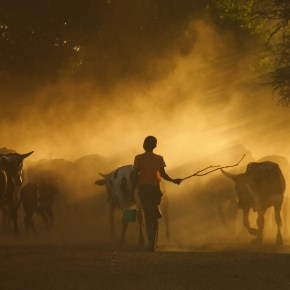
Livestock route mapping for improved health of humans, animals and the environment
ILRI and partners carried out a participatory mapping of livestock routes in the intervention areas in Somali and Oromia regions of Ethiopia as a first step in the planning of the HEARD and HEAL projects. Continue reading
We need a new approach, or another coronavirus is inevitable
‘Until we start thinking of human and animal health as linked, another coronavirus is inevitable’, warns Jimmy Smith, the International Livestock Research Institute’s (ILRI) director general in an op-ed published 26 February in the Independent. Continue reading
Viral flash points? Poor urban settlements are highly vulnerable to the risk of the new coronavirus
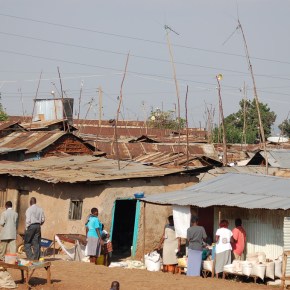
A new guest blog article published yesterday (27 Feb 2020) on the website of the International Institute for Environment and Development (IIED) argues that weak infrastructure would leave urban settlements in low-income countries highly vulnerable should the rapid spread of COVID-19 continue. Continue reading