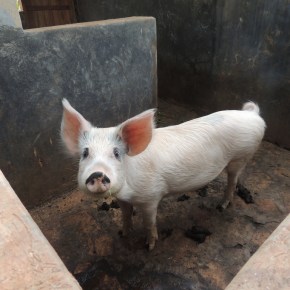
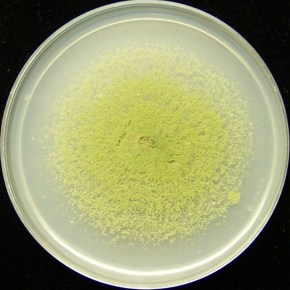
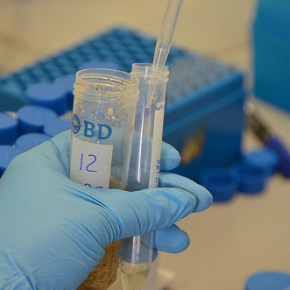
The University of Liverpool has been given funding to start a surveillance program to reduce the incidence of diseases transmitted between people and livestock in western Kenya. The £3.6 million grant will train veterinary and medical technicians to monitor farms, markets and slaughterhouses. They will use a mobile data collection system to generate a comprehensive database of the prevalence and economic impact of these diseases. The information generated will be used to provide evidence for government health policy in the area. Continue reading
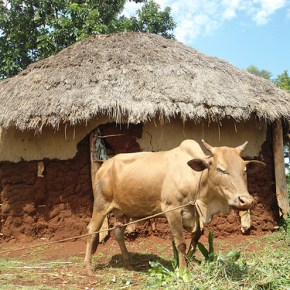
Category Archives: Agri-Health
Hard numbers: Making the business case for massive investments in ‘One Health’ to protect ‘One World’
The time has come to make the bigger case for massive investment in One Health to transform the management of neglected and emerging zoonoses and to save the lives of millions of people and hundreds of millions of animals whose production supports and nourishes billions of impoverished people per annum. Continue reading
Aflatoxins in Kenya’s food chain: Overview of what researchers are doing to combat the threat to public health
Aflatoxins are toxic chemicals produced as by-products by fungi (moulds) that grow on maize, groundnuts and other food crops. These toxins also affect feedstuffs, which then contaminate milk, meat and eggs. The toxins occur everywhere in the world, but pose particularly high risks in tropical developing countries where certain staple foods, such as maize and sorghum, comprise a large part of the diets of the poor. Continue reading
Pig farming in Uganda–Big options, and big research, take hold
This 2-minute film presents a ‘day in the life’ of a research-for-development project working to improve smallholder pig production in Uganda. The film highlights the big opportunities as well as challenges faced by small-scale pig producers in this East African country. Continue reading
Ugandans and pork: A story that needs telling
Without becoming more visible, and gaining greater attention by researchers, government policymakers, non-governmental organizations and entrepreneurs, Uganda’s pig sector potential is unlikely to be fully exploited anytime soon. Continue reading
‘Bio-control’=effective control of aflatoxins poisoning Kenya’s staple food crops
Biocontrol is one way of managing aflatoxins by targeting the fungus that produces aflatoxin while the crop is still in the field. Continue reading
Dairy feed project to reduce aflatoxin contamination in Kenya’s milk
Mycotoxins, such as aflatoxin, are toxins found in food that can cause illness and be lethal in high doses. These toxins are formed by strains of moulds that infest susceptible grains such as maize and sorghum. Dairy cows that eat contaminated feed can yield contaminated milk. Milk is a major food in Kenya. Understanding how, … Continue reading
Australia-funded research fights aflatoxin contamination in East African foods
An Australian-funded program is giving scientists in East Africa tools and capacity to address the threat posed by aflatoxins to food safety and food security in the region. Continue reading