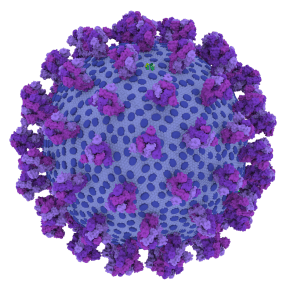
The CGIAR COVID-19 Hub, coordinated by CGIAR, the world’s largest publicly funded agricultural research network, in collaboration with the London School of Hygiene & Tropical Medicine (LSHTM), will bring together the latest science on agriculture and health to inform a research-based response to the pandemic. The Hub will compile relevant work from across the CGIAR system and partners around the world as well as share future breakthroughs and identify opportunities for new research. Continue reading
Category Archives: COVID19
A bridge not too far: To prevent pandemics, close the human and animal health divide
Veterinarians as well as wildlife biologists, livestock farmers, and zookeepers remain a largely untapped resource for combatting diseases that threaten people. Continue reading
Diagnostic tests for COVID-19: How useful are they?
PCR tests can accurately detect viral RNA in an individual only during the acute phase of the infection. After this short window passes, other tests are needed to determine if an individual has ever been exposed to the virus in the past. There is a critical need for these other tests, which detect antibodies made to specific viruses and other pathogens. These ‘serological assays’ complement the PCR test and are an essential tool in better managing the ongoing pandemic. Continue reading
‘A chance to reimagine life in a way that creates greater dignity for all’
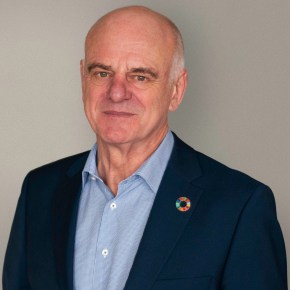
In a spirited and at times defiantly hopeful presentation at the International Livestock Research Institute’s (ILRI) weekly digital town hall meeting on 14 May, David Nabarro, a special envoy to the World Health Organization (WHO) Director General on COVID-19, called the virus causing the disease ‘beastly’ and ‘single-minded’, but said that the pandemic ultimately represents … Continue reading
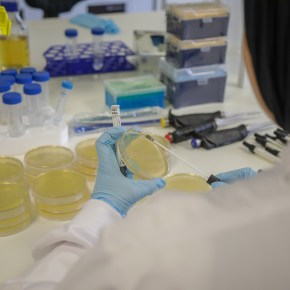
The German Federal Government supports Kenya’s efforts for COVID-19 testing
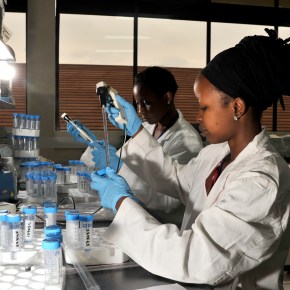
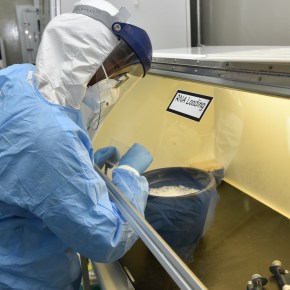
A new partnership involving the Kenya Ministry of Health and ILRI with support from the German Federal Government was announced today. ILRI will utilize its laboratory facilities and staff to support the expansion of Kenya’s testing capacity for COVID-19. The testing was launched today, 18 May 2020, when the health director and German ambassador visited ILRI’s Kenya facilities. Continue reading
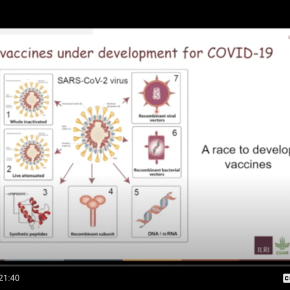
The good and not-so-good news about the state of COVID-19 vaccine development: A primer from ILRI
Jimmy Smith, director general of the International Livestock Research Institute (ILRI), holds a weekly town hall for the 600-plus staff of the institute as well as staff from many of ILRI partners who are hosted on ILRI campuses in Nairobi, Addis Ababa and elsewhere. In the town hall last week, Vish Nene, co-leader of ILRI’s Animal and Human Health program, made a short presentation on the latest developments in COVID-19 vaccine work. Excerpts and slides from his virtual presentation follow. Continue reading
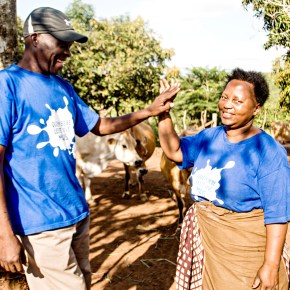
East African dairy under COVID-19: How is this vibrant sub-sector faring? Join us for a webinar 28 May
East African dairy under COVID-19: A vibrant sub-sector is key to a food-secure future. Join us for a webinar with experts from Land O’Lakes Venture37 | International Livestock Research Institute | Global Dairy Platform | Bain & Company. Hosted by the SEEP Network on 28 May 2020 Continue reading
The straw that might break the camel’s back: exploring the link between COVID-19 and antibiotic resistance in low- and middle-income countries
Antibiotics play a pivotal role in a pandemic both as prophylaxis – to prevent bacterial infections – as well as pre-emptive treatment. The emergence and rapid spread of COVID-19 highlights the importance of diagnostic testing, which is also important for antibiotic resistance and successful treatment outcomes Continue reading
ILRI computing capacity made available to COVID-19 vaccine developers
While the ILRI campuses in Nairobi and Addis Ababa are uncharacteristically empty, the institute’s servers are working away at top speed, contributing to the first essential steps in developing a vaccine against COVID-19. Continue reading
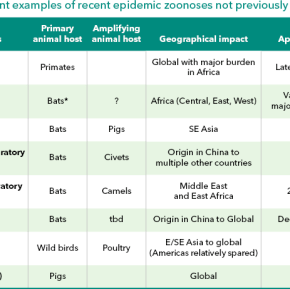
Africa’s growing risk of diseases that spread from animals to people
In this post, Bernard Bett, Delia Randolph and John McDermott argue that not only are pandemics not over, they may be increasing in frequency; and while most originated in Asia in the past, Africa may be poised to become an important source of so-called ‘zoonotic pathogens’—with its population growth, rapid urbanization and rising global integration offering promising vectors for outbreaks. Continue reading