The experience of the International Livestock Research Institute (ILRI) and partner scientists in 2015–2016 highlights how research and policy analysis guide prioritization of livestock investments and interventions that transform livestock value chains enabling men and women smallholder farmers to improve their lives. However, building on solid research, it is the training of key stakeholders and research support which delivers direct benefits to value chains actors and poor consumers of animal-source foods. Continue reading
Category Archives: Ethiopia
On selling insurance (not lottery tickets) to Africa’s struggling (stargazing) livestock herders–New York Times
Insurance that pays out when forage coverage drops—known as index-based livestock insurance—is an elegant idea. Andrew Mude, an economist and principal scientist at ILRI, last month was awarded the Norman Borlaug Award for Field Research and Application. The award, a major prize in agricultural research, is given by the World Food Prize Foundation and financed by the Rockefeller Foundation. Tina Rosenberg covers the story in the New York Times. Continue reading
Kenyan accepts 2016 Norman Borlaug Award for Field Research and Application at World Food Prize Event in Iowa
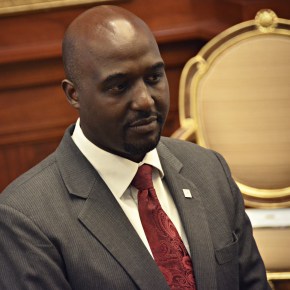
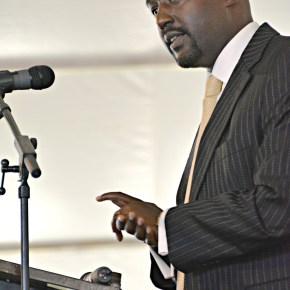
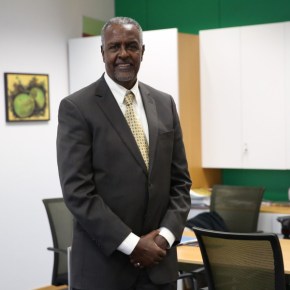
Andrew Mude, an economist and principal scientist at ILRI, is being presented with the 2016 Norman Borlaug Award for Field Research and Application today, 12 Oct 2016, for his work leading an innovative livestock insurance program that employs satellite data to help protect livestock herding communities in the Horn of Africa from the devastating effects of drought. Continue reading
Kenyan economist Andrew Mude wins the 2016 Norman Borlaug Award for Field Research and Application
Andrew Mude, a principal research scientist at the International Livestock Research Institute (ILRI), in Nairobi, Kenya, was yesterday named the 5th recipient of a prestigious award for his work in providing insurance to livestock herders in East Africa’s drylands through innovative, state-of-the-art technologies. Continue reading
UN adopts resolution promoting sustainable pastoralism and rangelands
A new resolution on ‘Combating desertification, land degradation and drought and promoting sustainable pastoralism and rangelands’ was presented and adopted at the second session of the United Nations Environment Assembly (UNEA-2) held 23–27 May 2016 at the United Nations Environment Programme (UNEP), in Nairobi, Kenya. Continue reading
Florida and ILRI start consultations on new ‘Feed the Future Innovation Lab for Livestock Systems’
The Feed the Future Innovation Lab for Livestock Systems, led by the University of Florida, is currently organizing a number of stakeholder consultation meetings to identify high-priority needs in the six countries it will cover (Burkina Faso, Cambodia, Ethiopia, Mali, Nepal, Rwanda). ILRI is a close partner in this new initiative and it helped organize the Ethiopia consultation meeting in Feb 2016. Continue reading
Protecting crop and feed diversity enhances food security while reducing greenhouse gases
Crop diversity can be conserved and shared. Scientists know how to do it and at a very limited cost to the world community. It requires global leadership and stronger partnerships and the building of capacities of scientists in the developing world. No country is self-sufficient; successful breeding is highly dependent on functioning multilateralism, according to Marie Haga, executive director of the Global Crop Diversity Trust. Continue reading
Celebrating Ethiopia’s biodiversity: high-level seminar at ILRI on 23 February
Ethiopia has long been recognised as a biodiversity hotspot, one of the eight centres of global crop diversity. Barley, coffee, sorghum and some wild types of wheat all originated in these fertile lands. Recognizing the importance of this diversity to guaranteeing global food security, the Ethiopian Biodiversity Institute, the Global Crop Diversity Trust and the International Livestock Research Institute hold a high-level seminar on 23 Feb 2016 at 6 pm. Continue reading
Unlocking the potential of Ethiopia’s livestock sector: growth, jobs and environmental sustainability
Ethiopia is well-placed to lead Africa in harnessing the contribution of the livestock sector to maximize food and nutritional security, reduce poverty and develop sustainable farming. The recent publication of the Ethiopia livestock master plan indicates that it is gearing up to do so. Continue reading
Ethiopia-CGIAR country consultation meeting identifies five action areas for enhanced collaboration
Five concrete areas of collaboration have been recommended in a meeting of CGIAR centres and national partners and key stakeholders in a move to better align CGIAR activities with the national Growth and Transformation Plan II (GTP 2015-2020). Continue reading