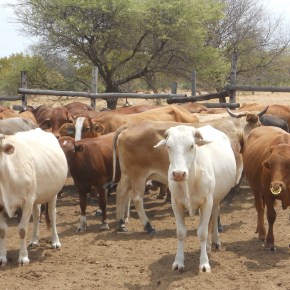
In 2014, to mark 40 years of its international research, the International Livestock Research Institute (ILRI) is facilitating a series of events that highlight the ways in which livestock research advances the global development agenda, specifically for sustainable food and nutritional security, economic well-being and healthy lives. Continue reading
Category Archives: Livelihoods
African talent feeding African markets with African products: Global food and agribusiness meeting hears of ‘livestock value chains’ in Africa
In Jun 2014 three agricultural economists working with the International Livestock Research Institute presented case studies at the World Forum of the International Food and Agribusiness Management Association (IFAMA) in Cape Town, South Africa. The main lesson from the two cases presented is that by training farmers, processors and other stakeholders supporting agribusiness development, African talent can create new products and innovative processes that help feed African markets with African products. Continue reading
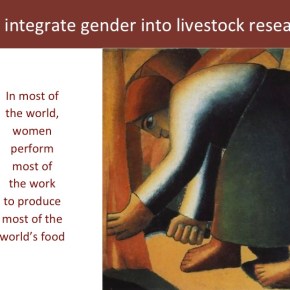
Women and livestock: Why gender matters are BIG matters
Happy International Women’s Day from the International Livestock Research Institute (ILRI)! Continue reading
From goat farming to goat business in India and Mozambique–New manual
The goat production manual is useful to paraveterinary workers, who serve rural villages in developing countries and farmers wanting to step up their goat production. Continue reading
Pig farming in Uganda–Big options, and big research, take hold
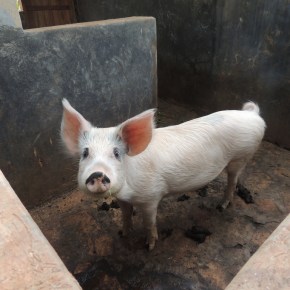
This 2-minute film presents a ‘day in the life’ of a research-for-development project working to improve smallholder pig production in Uganda. The film highlights the big opportunities as well as challenges faced by small-scale pig producers in this East African country. Continue reading
Ugandans and pork: A story that needs telling
Without becoming more visible, and gaining greater attention by researchers, government policymakers, non-governmental organizations and entrepreneurs, Uganda’s pig sector potential is unlikely to be fully exploited anytime soon. Continue reading