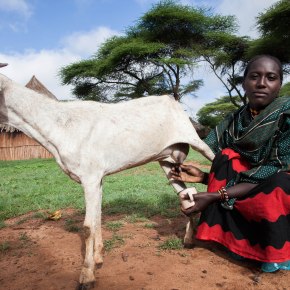
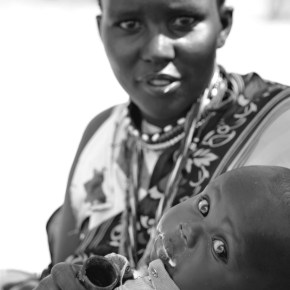
The case of women’s empowerment, food security and nutrition of pastoral communities in Tanzania By Alessandra Galiè, senior gender scientist, ILRI In our research on livestock for better livelihoods we often argue for mixed-method approaches: Combining quantitative and qualitative research methodologies will, we think, enhance the quality of our research and the validity of our findings. … Continue reading
Category Archives: Countries
Epidemiology and control of peste des petits ruminants in East and West Africa
To launch research activities in support of controlling peste des petits ruminants (PPR) in West Africa, a workshop held last month in Ouagadougou, Burkina Faso, outlined a roadmap for the implementation of the project at national and regional levels covering the livestock movement corridors between Burkina Faso, Mali and Senegal. There are approximately 160 million … Continue reading
Minimizing the risks of Rift Valley fever in Uganda – BuildUganda project to build national surveillance and response capacities
In early June this year, the BuildUganda research for development project was launched at a workshop with stakeholders. One of the four components of the project is focused on controlling Rift Valley fever (RVF) in Uganda. This component specifically aims to minimize the impacts of RVF by improving capacities for surveillance and response at national and community levels, leading to better risk prediction, evidence-based disease control policies, and improved awareness about the disease. Continue reading
Eradicating Peste des Petits Ruminants in Uganda – BuildUganda project to reinforce national disease control capacities
In early June this year, the BuildUganda research for development project was launched at a workshop with stakeholders. The component on controlling and eradicating Peste des Petits Ruminants (PPR) in Uganday aims to support Uganda’s national PPR control and eradication strategy by developing a socio-economic framework to assess the impact of PPR interventions, updating the epidemiological status of PPR to allow assessment of control options, and assess capacity development gaps in the implementation of the strategy. Continue reading
Improving veterinary public health in Uganda – BuildUganda project aims to improve the quality and safety of animal source foods for consumers
In early June this year, the BuildUganda research for development project was launched at a workshop with stakeholders. The component on veterinary public health aims to improve occupational health for meat handlers by reducing the risks they face and providing training, leading to improved quality and safety of food being produced and available in the market.. Continue reading
Reducing antimicrobial use in Uganda’s poultry value chain – BuildUganda project aims to manage risks through tested interventions
In early June this year, the BuildUganda research for development project was launched at a workshop with stakeholders. The component on antimicrobial use (AMU) in Uganda’s poultry sector aims to understand current antimicrobial use in poultry value chains, assess risks to humans from poultry-associated antimicrobial resistance (AMR), support evidence-based policy dialogue for antimicrobial surveillance and AMR strategies and build capacities of value chain actors, implementers and researchers. Continue reading
United States and Mali launch five-year partnership for food security and livelihood resilience
The United States and Mali have announced a five-year partnership that will promote food security and livelihood resilience in the West African country. Mali is one of 12 partner countries selected for this new phase of Feed the Future initiatives in Africa. Continue reading
Research approaches required for supporting the empowerment of pastoral dairy women
The especially rich and clearly written results of a livestock-gender-nutrition study in Tanzania deserve wide attention. Continue reading
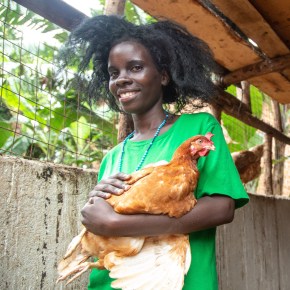
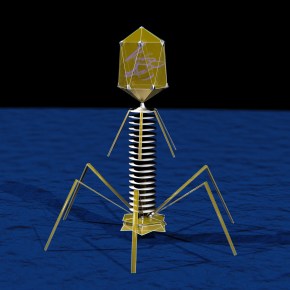
The role of phages: A fight against antibiotic resistance in poultry farms in Kenya
Scientists at ILRI are looking at using phages to kill strains of bacteria that are known to cause disease in poultry farms in Kenya. Continue reading
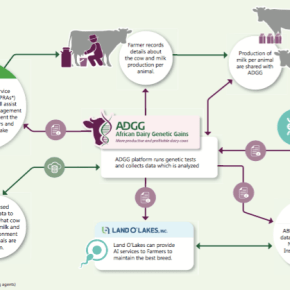
Better breeds for more milk: African dairy genetics gains bulls and cows exhibition
Today, thirty-five farmers and over fifty representatives from the Tanzanian government including Hon. Luhaga Mpina, Minister of Livestock and Fisheries, Tanzania, and Dr. Eligy Mussa Shirima, Director General of the Tanzania Livestock Research Institute (TALIRI), Tanzanian government and dairy industry leaders, representatives from neighboring African nations and international organizations, gather at the Nane … Continue reading