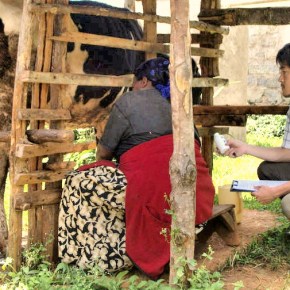
Aflatoxin levels in cow milk and feed in the Addis Ababa milk shed—New study
A4NH / Aflatoxins / Agri-Health / Animal Feeding / Article / Cattle / Consumption / Dairying / Disease Control / East Africa / Ethiopia / Food Safety / FSZ / Human Health / ILRI / Spotlight

Aflatoxin levels in cow milk and feed in the Addis Ababa milk shed—New study

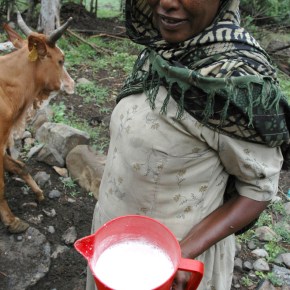
Ethiopian farmer with fresh milk from her cow (photo credit: ILRI/Apollo Habtamu). This article is written by ILRI scientists Dawit Gizachew, Barbara Szonyi, Azage Tegegne, Jean Hanson and Delia Grace Editor’s note: A statement in the article below, comparing various levels of risk, offended some of our readers. We thank those readers who let us … Continue reading
The sharp divide: Do we need animals to feed this world?
A4NH / Animal Products / Directorate / Food Security / FSZ / ILRI / Livestock

The sharp divide: Do we need animals to feed this world?

Livestock, the fastest-growing, highest-value and a highly controversial agriculture sector, is at a crossroads. Following a new set of 17 sustainable development goals, the current and potential roles of livestock systems in food and nutrition security and other aspects of sustainable development, including the environment, human health and livelihoods, continue to be debated. Opinions are sharply divided in the industrialized world between those who consider animals to be more part of the solution and those who consider them to be more part of the problem. Continue reading

New study recommends continued research on the possible role pigs could play in transmitting Ebola in Uganda
A4NH / Agri-Health / Article / Disease Control / East Africa / Emerging Diseases / Epidemiology / Food Safety / FSZ / Geodata / Human Health / ILRI / Pigs / Spotlight / Uganda

New study recommends continued research on the possible role pigs could play in transmitting Ebola in Uganda

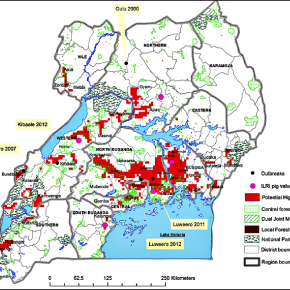
A new risk assessment paper, Assessing the potential role of pigs in the epidemiology of the Ebola virus in Uganda, was published in the science journal Transboundary and Emerging Diseases on 27 Aug 2015. The authors are scientists at the International Livestock Research Institute (ILRI). Presently, there is no solid evidence that pigs have any role in the past outbreaks of Ebola virus disease. But the risk assessment paper indicates that further research on the role pigs may play in Ebola virus transmission in Uganda is warranted. Continue reading

Ways forward for food safety in countries bearing the brunt of the world’s food-borne diseases
A4NH / Agri-Health / Article / Consumption / Food Safety / FSZ / Human Health / ILRI / Markets / Policy / Spotlight

Ways forward for food safety in countries bearing the brunt of the world’s food-borne diseases

A new paper on food safety in low- and middle-income countries was published today by ILRI’s Delia Grace. The paper is based on a longer learning resource commissioned for the UK Department for International Development (DFID), which will be out shortly. Both publications reflect what ILRI and its partners have learned over the last 10 years since adopting a framework of risk analysis for assessing, managing and communicating about food safety. Continue reading

‘Soft’ science at ILRAD/ILRI: A lively look back at three decades of veterinary epidemiology for development
A4NH / Agri-Health / Animal Diseases / ASF / Bird flu / Brucellosis / CBPP / CSF / Diagnostics / Disease Control / ECF / Emerging Diseases / Epidemiology / FSZ / ILRI / ILRI40 / PPR / Pro-Poor Livestock / Report / Research / RVF / Spotlight / Trade / Trypanosomiasis / Vaccines / Zoonotic Diseases

‘Soft’ science at ILRAD/ILRI: A lively look back at three decades of veterinary epidemiology for development

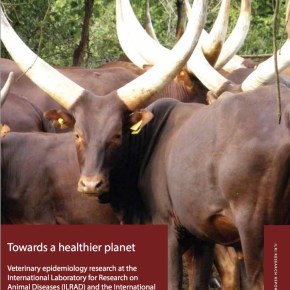
For almost thirty years, the International Laboratory for Research on Animal Diseases (ILRAD) then ILRI benefited from a strong research program in the epidemiological sciences. Over time, it progressively broadened its coverage in disease, disciplinary and geographic terms. The results of this work have now been assembled in this impact narrative, which carefully documents the wide range of issues addressed by the teams of researchers, and presents them in an illustrated and highly readable format. Continue reading

Towards professionalizing—not criminalizing—informal sellers of milk and meat in poor countries
A4NH / Agri-Health / Animal Products / Capacity Strengthening / Consumption / Dairying / Food Safety / FSZ / Human Health / ILRI / Markets / Policy / Report / Spotlight

Towards professionalizing—not criminalizing—informal sellers of milk and meat in poor countries

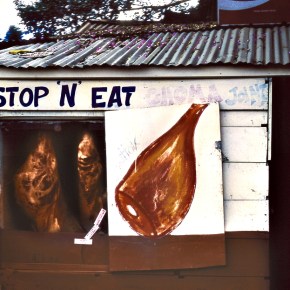
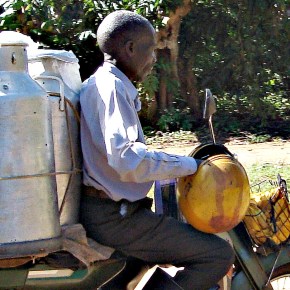
Researchers from ILRI and partners have developed and piloted an institutional innovation—a training, certification and branding scheme for informal value chain actors—with good potential to improve the safety of animal-source foods sold in informal markets. Past development policy often focused on formal markets, which at best meant neglect of informal markets and often resulted in harassment and penalties for informal agents. Continue reading

Reducing human exposure to aflatoxins in poor countries: Towards new technologies and practices
A4NH / Agri-Health / Animal Products / Consumption / Dairying / Food Safety / FSZ / Human Health / ILRI / Report / Spotlight / Value Chains

Reducing human exposure to aflatoxins in poor countries: Towards new technologies and practices

A new paper describes and assesses the strength of a theory of change for how adoption of farm-level technologies and practices for aflatoxin mitigation can contribute to reductions in aflatoxin exposure among consumers in a market context. Continue reading

Designing practical ways to help the urban poor make choices that improve their nutrition
A4NH / Agri-Health / Animal Products / Consumption / East Africa / Epidemiology / Food Safety / FSZ / Gender / Human Health / ILRI / Kenya / Nutrition / Project / Spotlight / Vulnerability / Women

Designing practical ways to help the urban poor make choices that improve their nutrition

To improve interventions in food systems of the urban poor, scientists at the International Livestock Research Institute (ILRI) are investigating urban food and nutritional choices in two slums in Nairobi, Kenya. Their aim is to develop interventions that help people make food choices that improve their nutrition while staying within their low household food budgets and access. Continue reading

Tackling climate change could be the greatest global health opportunity of the 21st century–The Lancet
A4NH / Animal Diseases / Article / Climate Change / Disease Control / Emerging Diseases / FSZ / Human Health / ILRI / Spotlight / Zoonotic Diseases
Tackling climate change could be the greatest global health opportunity of the 21st century–The Lancet

The 2015 Lancet Commission on Health and Climate Change was been formed to map out the impacts of climate change and the necessary policy responses. The central finding from the Commission’s work is that tackling climate change could be the greatest global health opportunity of the 21st century. One of the authors of the paper is ILRI veterinary epidemiologist and food safety expert Delia Grace, of the International Livestock Research Institute (ILRI). Continue reading

The rise of antimicrobial resistance (lethal) and animal agriculture (critical): Their links in developing countries
A4NH / Agri-Health / AMR / Article / Emerging Diseases / Food Security / FSZ / Human Health / ILRI / Policy

The rise of antimicrobial resistance (lethal) and animal agriculture (critical): Their links in developing countries

This Jun 2015, Evidence on Demand, an international development information hub supported by the UK Department for International Development (DFID), published a 44-page paper identifying key evidence gaps in our knowledge of livestock- and fisheries-linked antimicrobial resistance in the developing world and documenting on-going and planned research on this topic by key stakeholders.The paper, written by veterinary epidemiologist and food safety expert Delia Grace, of the International Livestock Research Institute (ILRI), is titled: Review of evidence on antimicrobial resistance and animal agriculture in developing countries. Continue reading