More than Ksh214 million is on tap for 12,000 pastoral households in six counties of northern Kenya through innovative policies that use satellite imagery to trigger payments for feed, veterinary supplies and water. Continue reading
Category Archives: Pro-Poor Livestock
Confronting the rising threat of antibiotic resistance in livestock
The article, originally published on Cambridge Core blog, was written by Tim Robinson of the International Livestock Research Institute (ILRI). Resistance to antimicrobials is developing faster than ever before due to decades of abusing these important drugs. A ‘post-antibiotic’ world looms as a result, the consequences of which would be many people and farm animals sickening and dying of what, until now, have been preventable or treatable infections. Continue reading
Top 10 viewed ILRI News blog articles of 2016
Take a look below at the top ten viewed articles published in 2016 on the ILRI News blog. Continue reading
Livestock for sustainable and equitable development—Selected top advocacy communications of 2016
This year, with a pilot project funded by the Bill & Melinda Gates Foundation starting in Sep 2016, the International Livestock Research Institute (ILRI) stepped up its advocacy work supporting livestock development for a more sustainable and equitable world. The following are among ILRI’s top advocacy communications of 2016. Continue reading
Livestock environmental ‘hoofprints’: Five fast facts to remember—Shirley Tarawali at ‘Farming First’
In this guest post, originally published by Farming First, Shirley Tarawali, assistant director general of the International Livestock Research Institute (ILRI), takes a closer look at livestock’s impact on the environment, and what is being done to manage its environmental ‘hoofprint’. Continue reading
Access vs excess to antibiotics: The dual antimicrobial resistance issue facing the world
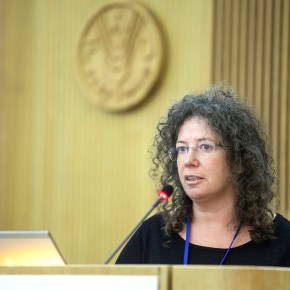
This opinion piece, written by ILRI scientist and program leader Delia Grace, was originally published by Devex on 16 Dec 2016. The numbers when it comes to drug resistance are apocalyptic. Already responsible for up to 700,000 deaths a year, the number of victims could reach 10 million by 2050, making superbugs a bigger killer than cancer is today if urgent action is not taken. Continue reading
Tom Randolph, director of the new CGIAR Research Program on Livestock Agri-food Systems
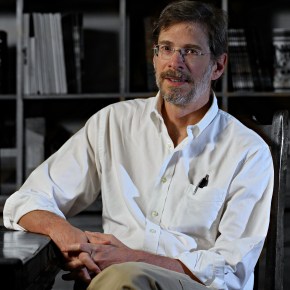
Tom Randolph, who has served as director of the CGIAR Research Program on Livestock and Fish for the last five years, has been newly appointed director of the CGIAR Research Program on Livestock Agri-food Systems, which begins operations in Jan 2017 (photo credit: ILRI/Stevie Mann). Continue reading
Livestock opportunities for responsible, inclusive and sustainable business-for-development partnerships
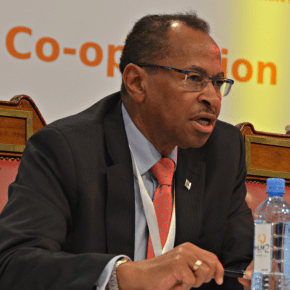
This week, Jimmy Smith, director general of the International Livestock Research Institute (ILRI), led a delegation from ILRI to the Second High-Level Meeting of the Global Partnership for Effective Development Cooperation (GPEDC HLM2), held in Nairobi, Kenya. On 30 Nov 2016, Smith participated in a panel discussion highlighting the essential role of business in achieving the Sustainable Development Goals (SDGs) and providing guidance for how governments and development partners can support responsible, inclusive and sustainable business. Continue reading
On selling insurance (not lottery tickets) to Africa’s struggling (stargazing) livestock herders–New York Times
Insurance that pays out when forage coverage drops—known as index-based livestock insurance—is an elegant idea. Andrew Mude, an economist and principal scientist at ILRI, last month was awarded the Norman Borlaug Award for Field Research and Application. The award, a major prize in agricultural research, is given by the World Food Prize Foundation and financed by the Rockefeller Foundation. Tina Rosenberg covers the story in the New York Times. Continue reading
Unpacking the tensions between the nutritional and economic goals of pro-poor livestock development
Discussants at this event unpacked the tensions inherent between developing livestock markets to meet economic goals of the poor and meeting the nutritional needs of poor households raising livestock. Continue reading