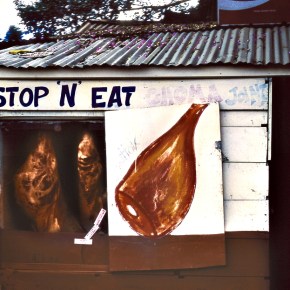
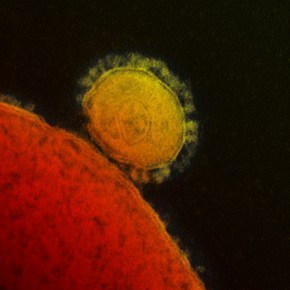
A new study published in the science journal Emerging Infectious Diseases reports that two individuals in Kenya have tested positive for the presence of antibodies to Middle East Respiratory Syndrome Corona Virus (MERS-CoV). Neither person is ill nor do they recall having any symptoms associated with MERS. There is no evidence of a public health threat and scientists concluded that the infections caused little or no clinical signs of illness. But they plan follow-up studies, as this is the first indication of a MERS-CoV infection that is not connected to primary infections in the Middle East. Continue reading
Category Archives: Agri-Health
Celebrating 15 years of African agricultural biosciences excellence
The #CelebrateBecA event brought together global, regional and local actors in agricultural biosciences research for development to mark the Hub’s achievements and deliberate on further ways to scale its programs and impacts to advance African agriculture and food and nutritional security. Click through the story pages above to get an overview of the celebrations and plenary presentations, or view the same storify on ILRI’s Storify site. Continue reading
Vaccination proclamation: India protects the neglected ’living assets’ of its remote pig farmers
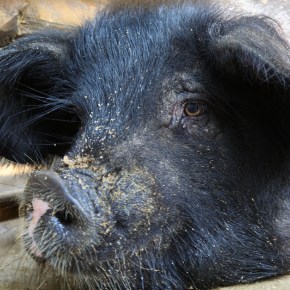
ILRI research to better control classical swine fever, also called hog cholera and pig plague, a highly contagious viral disease of pigs of all ages, usually killing the animals within two weeks of infection. The disease is endemic in the states of northeast India, where pig husbandry and meat eating are ubiquitous among the tribal communities that inhabit this remote region, isolated from the rest of India except through a slender corridor flanked by foreign territories. This article, one of a series being posted on the ILRI News blog, is one of 21 stories published in the ILRI Corporate Report 2014–2015, which you’ll find here: http://hdl.handle.net/10568/68631 Continue reading
Some of ILRI’s top livestock slide presentations in 2015
A few of the top livestock slide presentations made by ILRI staff in 2015 Continue reading
Limiting use of antibiotics in livestock production to stem growing antimicrobial resistance in human pathogens
A commentary published in The Lancet last month supporting a series of five papers on antimicrobials recommends prohibiting use of antibiotics critically important for human medicine to promote the growth of livestock or to prevent routine livestock disease. The commentary was written by Tim Robinson, a principal scientist in spatial analysis at the International Livestock Research Institute (ILRI), and colleagues in partner organizations. Continue reading
Is the ‘Third Epidemiological Transition’ upon us?
Zoonoses—diseases transferred from animals to humans—have been with humanity throughout history. But today’s growing scale of livestock production in developing countries to feed their fast-growing and fast-urbanizing populations is sparking debate about whether the livestock sector is contributing to a fundamental a shift in global disease mortality, something known as an ‘epidemiological transition’. If so, it would be the third such transition in human history. Continue reading
Aflatoxin levels in cow milk and feed in the Addis Ababa milk shed—New study
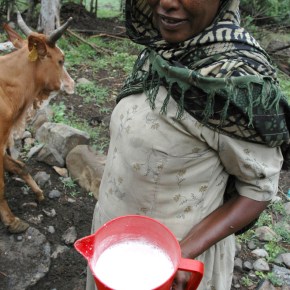
Ethiopian farmer with fresh milk from her cow (photo credit: ILRI/Apollo Habtamu). This article is written by ILRI scientists Dawit Gizachew, Barbara Szonyi, Azage Tegegne, Jean Hanson and Delia Grace Editor’s note: A statement in the article below, comparing various levels of risk, offended some of our readers. We thank those readers who let us … Continue reading
New study recommends continued research on the possible role pigs could play in transmitting Ebola in Uganda
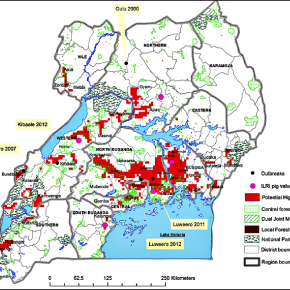
A new risk assessment paper, Assessing the potential role of pigs in the epidemiology of the Ebola virus in Uganda, was published in the science journal Transboundary and Emerging Diseases on 27 Aug 2015. The authors are scientists at the International Livestock Research Institute (ILRI). Presently, there is no solid evidence that pigs have any role in the past outbreaks of Ebola virus disease. But the risk assessment paper indicates that further research on the role pigs may play in Ebola virus transmission in Uganda is warranted. Continue reading
Ways forward for food safety in countries bearing the brunt of the world’s food-borne diseases
A new paper on food safety in low- and middle-income countries was published today by ILRI’s Delia Grace. The paper is based on a longer learning resource commissioned for the UK Department for International Development (DFID), which will be out shortly. Both publications reflect what ILRI and its partners have learned over the last 10 years since adopting a framework of risk analysis for assessing, managing and communicating about food safety. Continue reading
‘Soft’ science at ILRAD/ILRI: A lively look back at three decades of veterinary epidemiology for development
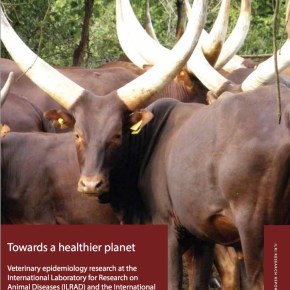
For almost thirty years, the International Laboratory for Research on Animal Diseases (ILRAD) then ILRI benefited from a strong research program in the epidemiological sciences. Over time, it progressively broadened its coverage in disease, disciplinary and geographic terms. The results of this work have now been assembled in this impact narrative, which carefully documents the wide range of issues addressed by the teams of researchers, and presents them in an illustrated and highly readable format. Continue reading