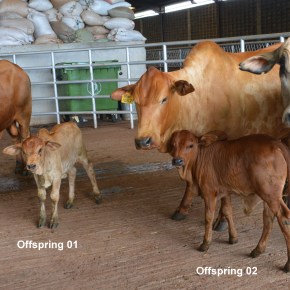
The experience of the International Livestock Research Institute (ILRI) and partner scientists in 2015–2016 unmistakably identifies the potential benefits to smallholder farmers and consumers of research into livestock and human health. Smallholder farmers could potentially save hundreds of millions of US dollars annually, following breakthroughs in the development of vaccines for contagious bovine pleuropneumonia and Rift Valley fever, the latter posing a serious threat to human as well as animals. However, it was the participation in high-level fora and implementation strategies which are likely to deliver the rapid life changes for smallholder farmers on the ground. Continue reading
Category Archives: Disease Control
Access vs excess to antibiotics: The dual antimicrobial resistance issue facing the world
This opinion piece, written by ILRI scientist and program leader Delia Grace, was originally published by Devex on 16 Dec 2016. The numbers when it comes to drug resistance are apocalyptic. Already responsible for up to 700,000 deaths a year, the number of victims could reach 10 million by 2050, making superbugs a bigger killer than cancer is today if urgent action is not taken. Continue reading
Medicine Nobel Laureate Peter Doherty is patron of the International Livestock Research Institute
Peter Doherty is today patron of two institutes: the Peter Doherty Institute for Infection and Immunity, a joint venture between the University of Melbourne and the Royal Melbourne Hospital researching infectious diseases in humans that became operational in 2014, and the International Livestock Research Institute (ILRI), for whose predecessor, the International Laboratory for Research on Animal Diseases (ILRAD), Doherty served for several years as a board member overseeing the science program. Continue reading
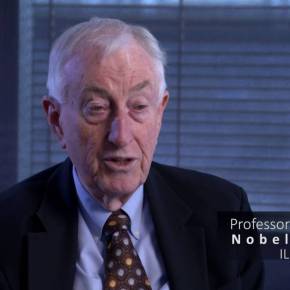
Honouring One Health Day–short video statement from Nobel Laureate and ILRI Patron Peter Doherty
Peter Doherty, an Australian veterinarian surgeon and researcher working in the field of medicine, who with his colleague Rolf Zinkernagel won the Nobel Prize for Physiology or Medicine in 1996 and who today serves as a patron of ILRI, also supports the integrated work—and the tearing down of disciplinary silos—that One Health approaches demand. Continue reading
A first look at ILRI’s new research programs: Animal and Human Health
A first look at a revamped ILRI research program: Animal and Human Health Continue reading
Improving food safety and human health through agricultural research: CGIAR future plans
A useful summary of the future plans of the CGIAR Research Program on Agriculture for Nutrition and Health (A4NH), led by the International Food Policy Research Institute (IFPRI), based in Washington, DC, has been published. Two of the five flagships of this multi-institutional research program are led or co-led by the International Livestock Research Institute (ILRI), based in Nairobi, Kenya. Future work of these two flagships is described below. Continue reading
Cloned bull could contribute to development of disease-resistant African cattle
A note in a scientific journal gives an update on long-term research to develop African cattle resistant to the Africa animal disease known as trypanosomiasis. The aim of this research is to help reduce widespread poverty and hunger on the continent by improving livestock livelihoods. Continue reading
Apocalyptic numbers: Antibiotic resistance as the classic ‘One Health’ (and classic ‘One World’) planetary issue
In the lead up to the High-Level Meeting on Antimicrobial Resistance to be held in the margins of the 71st session of the United Nations General Assembly, attended by heads of state and government at the UN’s New York City headquarters on 21 Sep 2016, scientists from ILRI and partner organizations have published a must-read article on the ‘One Health’ as well as ‘One World’ aspects of the rapid rise of antimicrobial resistance in pathogenic organisms. Continue reading
Pandemic proofing the world: An epidemiologist in Nairobi on preventing the next Zika virus
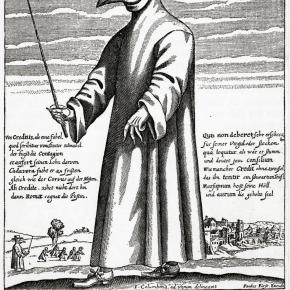
As the world becomes more well, people — particularly people in the West — seem to be more worried about health and disease, especially about the possibility of global pandemics (that is, widespread outbreaks) of newly emerging infectious diseases. Are these first-world fears? Or is there good reason why everyone should be concerned about coming plagues? And, if so, what should we be doing differently to protect ourselves better from newly emerging diseases? Continue reading
Vaccine research on Africa’s cattle-killing East Coast fever: A short (somewhat potted but handsomely illustrated) history
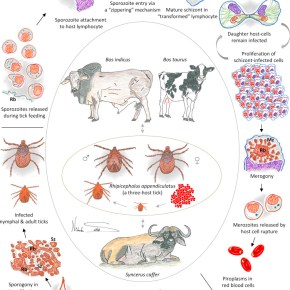
Tremendous research progress has been made over the last ten years to better control the deadly African disease of cattle known as East Coast fever. This disease is caused by a single-celled organism, Theileria parva, which is carried by some tick species. Cattle become infected when a tick carrying the parasite takes a blood-meal from the animal over several days. Continue reading