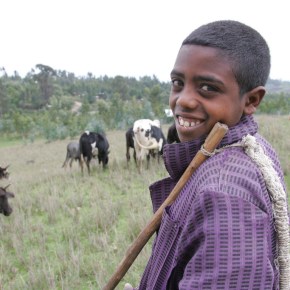
We used a reverse vaccinology approach to identify 66 Mmm potential vaccine candidates. The selection and grouping of the antigens was based on the presence of specific antibodies in sera from CBPP-positive animals. The antigens were used to immunize male Boran cattle (Bos indicus) followed by a challenge with the Mmm strain Afadé. Continue reading
Category Archives: Africa
Florida and ILRI start consultations on new ‘Feed the Future Innovation Lab for Livestock Systems’
The Feed the Future Innovation Lab for Livestock Systems, led by the University of Florida, is currently organizing a number of stakeholder consultation meetings to identify high-priority needs in the six countries it will cover (Burkina Faso, Cambodia, Ethiopia, Mali, Nepal, Rwanda). ILRI is a close partner in this new initiative and it helped organize the Ethiopia consultation meeting in Feb 2016. Continue reading
Tanzania ‘Livestock Master Plan’ project launched
Tanzania’s livestock sector will benefit from a recently started project targeting to transform it by guiding investments in the four main value chains comprising red meat, milk and products; poultry, eggs and pig meat. Continue reading
Celebrating 15 years of African agricultural biosciences excellence
The #CelebrateBecA event brought together global, regional and local actors in agricultural biosciences research for development to mark the Hub’s achievements and deliberate on further ways to scale its programs and impacts to advance African agriculture and food and nutritional security. Click through the story pages above to get an overview of the celebrations and plenary presentations, or view the same storify on ILRI’s Storify site. Continue reading
Is there value for innovation platforms? New Volta study suggests interesting insights
A new paper attempts to test a new conceptual framework for evaluating innovation platforms for agrifood value chains. Data collected validate a possible link between the structure of the platforms, the conduct of their members and the resulting market performance through reducing the transaction costs of search and information. Continue reading
Updated: ILRI-DAAD PhD scholarships 2016
ILRI is collaborating with the German Academic Exchange Service (DAAD) to offer up to eight in region PhD scholarships in 2016 through a co-funding arrangement. Continue reading
The BecA-ILRI Hub celebrates 15 years of biosciences in and for Africa
Coming up next week is an event marking the 15th anniversary of the Biosciences eastern and central Africa-International Livestock Research (BecA-ILRI) Hub, located in Nairobi, Kenya, and working with partners across the continent as well as with bioscience institutions worldwide. Continue reading
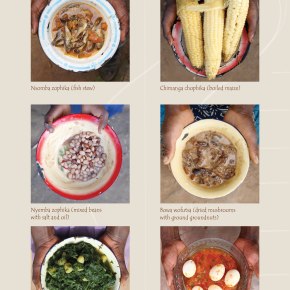
Foods available to African farm households increase with market access and off-farm work
Common foods of Khulungira village, in central Malawi: Nsomba zophika (fish stew), chimanga chophika (boiled maize), nyemba zophika (mixed beans with salt and oil), bowa wofutsa (dried mushrooms with ground groundnuts), nkhwani wophatikiza ndi maungu anthete ndi kachewere wophika (pumpkin leaves, pumpkin blossoms and potatoes) and mazira ophika ndi phwetekere, anyezi, mafuta ndi mchere (boiled … Continue reading
Ethiopia-CGIAR country consultation meeting identifies five action areas for enhanced collaboration
Five concrete areas of collaboration have been recommended in a meeting of CGIAR centres and national partners and key stakeholders in a move to better align CGIAR activities with the national Growth and Transformation Plan II (GTP 2015-2020). Continue reading
Towards more productive dairy cattle for Africa’s smallholders
Improving the genetic makeup of Africa’s dairy cattle has the potential increase farmer productivity and profitability, hence transform the lives of millions of dairy families across Africa. This latest program, African Dairy Genetic Gains (ADGG) program, led by the International Livestock Research Institute (ILRI), offers real opportunities to help smallholders improve their lives through livestock. It also contributes to ILRI’s global livestock genetics program—LiveGene. Continue reading