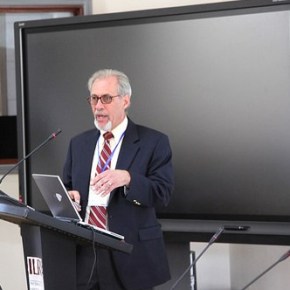
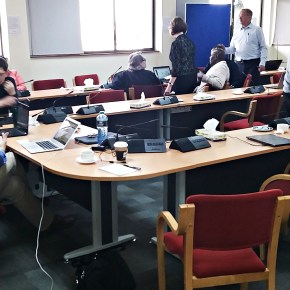
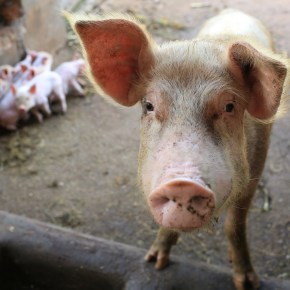
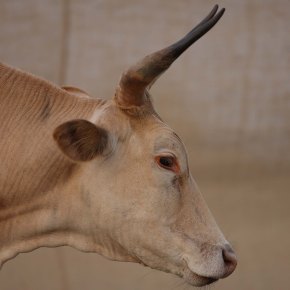
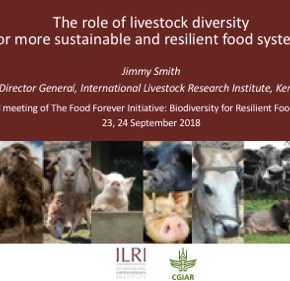
Jimmy Smith, director general of the International Livestock Research Institute (ILRI), this week made a short presentation at the annual meeting of the Food Forever Initiative held in Wilmington, Delaware, 23–24 Sep 2018. Food Forever is a global partnership to raise awareness on the importance and urgency of conserving and using agricultural biodiversity. Smith is one of 30 Food Forever champions advocating this important cause. Smith spoke on the central importance of better conserving, characterizing and using the world’s remaining livestock diversity to ensure future food security in the face of climate and other changes. Continue reading
Category Archives: LIVESTOCKCRP
CRP on Livestock
German agroecological livestock research investments are benefiting both people and the planet
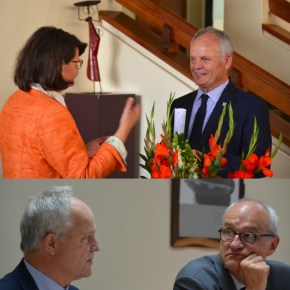
ILRI was honoured this week (3 Sep 2018) to host a high-level German delegation including Maria Flachsbarth, parliamentary state secretary to Germany’s federal minister for economic cooperation and development, and Stefan Schmitz, deputy director of the Federal Ministry of Economic Cooperation and Development (BMZ), as well as senior staff of the Kenya Ministry of Agriculture, Livestock, Fisheries and Irrigation, including Andrew Tuimur, chief administrative secretary, and Ann Onyango, agriculture secretary; and representatives from several other CGIAR centres working in Kenya, including Tony Simons, director general of ICRAF, and representatives from the Nairobi-based International Centre of Insect Physiology and Ecology (icipe). Continue reading
African Development Bank-supported livestock team and Nigerian agricultural lending agency to scale up proven animal production technologies
The International Livestock Research Institute (ILRI) leads the Technologies for African Agricultural Transformation (TAAT) livestock compact, members of which recently met with a USD500-million public-private partnership in Nigeria established to ‘de-risk’ agricultural financing by providing many of the actors along the country’s agricultural value chains with affordable financing. TAAT is targeting 3–5 million farmers in the country. Continue reading
Deadly African swine fever arrives in China, the world’s largest producer of pigs
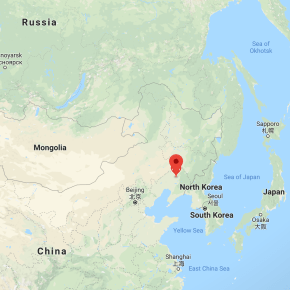
Long feared, it’s now finally happened. African swine fever (ASF), an infectious and highly lethal viral disease of pigs, has for the first time reared its head in China. Just two weeks ago, African swine fever was confirmed as the cause of death of pigs on a small farm in Shenyang City, in Liaoning Province, located in the northeast, bordering North Korea and the Yellow Sea. Continue reading
Aspen New Voices Fellows Andrew Mude and Jemimah Njuki tell of the moments their ag careers ‘took off’
For your viewing and listening pleasure, here are two short video ‘stories’ by two great agricultural-research-for-development storytellers. Continue reading
The Tanzanian livestock master plan: A conversation with Barry Shapiro
Using what’s called the Livestock Sector Investment Policy Toolkit (LSIPT), we develop a dynamic herd model and an economic sector model on top of that. And we use that to do an analysis of the current situation of the livestock sector and its potential for further development, modernization, transformation, and so on, over 15 years. Continue reading
In Tanzania, a better cow is the way to a better future
Farmers who participate in the breeding programs and collect routine data on their cows’ health, growth and productivity receive personalized coaching and advice from livestock outreach specialists via routine visits and SMS messages on their phones. Continue reading
Enhancing global livestock advocacy for sustainable development
Global Livestock Advocacy for Development (GLAD) has been a two-year project whose main objective has been to raise investor interest in livestock-related research-for-development issues. It has done this largely by distilling and presenting evidence and creative content about smallholder livestock systems and their critical roles in sustainable food systems and development. Continue reading
Partnerships to increase pig production in Uganda
Driven by rising incomes, demand for animal-source foods in Africa and Asia is expected to increase up to 200% by 2030. Efficient crop and livestock production and natural resource use will drive employment, environmental, nutrition and income gains in a subsector likely to be dominated by smallholders. Continue reading
DNA sequencing of indigenous African cattle reveals vital clues to increasing productivity
Important sources of meat, milk, traction and manure across Africa, cattle will become even more significant as demand for meat and milk is expected to more than double in sub-Saharan Africa from 2000 to 2030. Continue reading