The International Livestock Research Institute (ILRI) leads the Technologies for African Agricultural Transformation (TAAT) livestock compact, members of which recently met with a USD500-million public-private partnership in Nigeria established to ‘de-risk’ agricultural financing by providing many of the actors along the country’s agricultural value chains with affordable financing. TAAT is targeting 3–5 million farmers in the country. Continue reading
Category Archives: Pro-Poor Livestock
When ‘Do no harm’ is harder than ‘doing good’
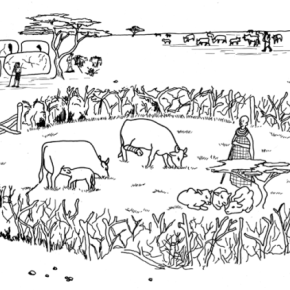
Agricultural researchers working to enhance traditional pasture conservation by Tanzania’s pastoral Maasai communities are systematically addressing gendered norms and roles to ensure that they don’t end up hurting more than helping these communities. Continue reading
Enhancing global livestock advocacy for sustainable development
Global Livestock Advocacy for Development (GLAD) has been a two-year project whose main objective has been to raise investor interest in livestock-related research-for-development issues. It has done this largely by distilling and presenting evidence and creative content about smallholder livestock systems and their critical roles in sustainable food systems and development. Continue reading
Reducing use of antimicrobial drugs in livestock in low-income countries: Two scientists reflect on options
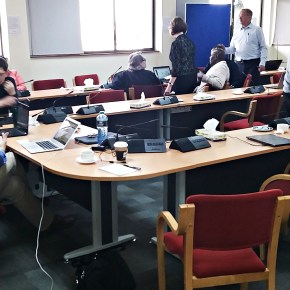
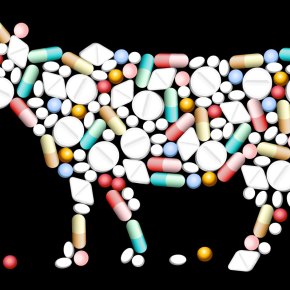
Delia Grace Randolph, a veterinary epidemiologist and food safety expert who co-leads the Animal and Human Health program at ILRI, was interviewed recently by Wilton Park, a non-profit discussion centre in the UK. The event at which Grace spoke was a workshop held 11–13 Apr 2018 in West Sussex on Innovations to reduce the use of antimicrobials in food-producing animals in low- and middle-income countries. Continue reading
The Women’s Empowerment in Livestock Index: Indicators for the start of a global, badly needed, conversation
Recently, a team of scientists at the International Livestock Research Institute (ILRI), led by anthropologist Alessandra Galiè, in collaboration with Emory University, developed the Women’s Empowerment in Livestock Index (WELI), a new index to assess the empowerment of women in production systems in which livestock are important. Continue reading
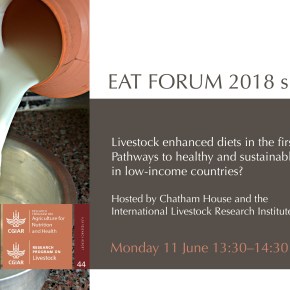
Can livestock-enhanced diets of the poor in the first 1,000 days of life lead to healthy and sustainable futures?
This year’s EAT 2018 Stockholm Food Forum (11–12 Jun 2018) explores ways to achieve healthy and sustainable diets for a growing global population. On Monday, 11 Jun 2018, Chatham House and ILRI will host a side event around the findings of an evidence review on the influence of livestock-derived foods—meat, milk and eggs—on the nutrition of women and of children during their first 1,000 days of life, from conception to age two. Continue reading
How closing livestock yield gaps can enhance incomes, food security and the environment in Ethiopia and India
Estimates of livestock yield gaps are not available and these are necessary for developing feasible scenarios of how the production of different livestock commodities might evolve in the future, how systems might change and what would be the resource use implications and their costs, both for donors and for public and private entities in target countries. Continue reading
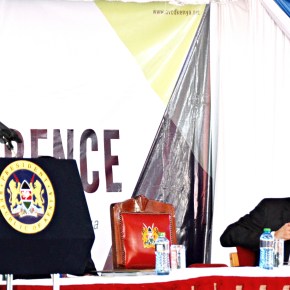
Kenyan President Kenyatta headlines national conference at ILRI Nairobi on innovations in Kenya’s agricultural sector
Kenya President Uhuru Kenyatta addressed the 400 guests at the national conference of the Feed the Future Kenya Accelerating Value Chain Development project at ILRI on 27 Apr 2018. Continue reading
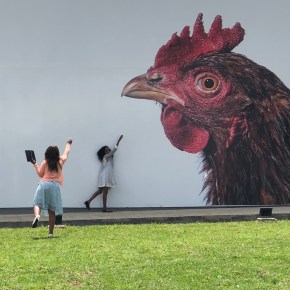
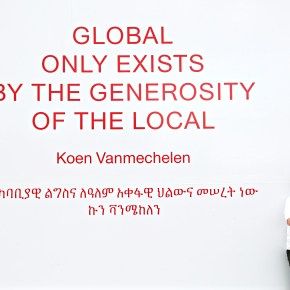
Art underlines the precious value of poultry genetic research
‘The Incubated Worlds art exhibition clearly communicates the importance of poultry production, genetic diversity and the interdependence of communities worldwide. The facility will be more than a place of research, but also of learning and innovation for farmers, poultry businesses, associations, cooperatives and communities’, said Siboniso Moyo, the ILRI director general’s representative in Ethiopia. Continue reading
Art and science bring poultry genetics to life in Ethiopia while celebrating local diversity in all its forms
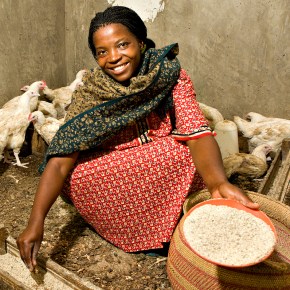
Art and science unite to serve Ethiopian farmers—’Incubated Worlds’ explores genetic diversity of poultry to boost nutrition and incomes. Continue reading